CompanyGraph
  • Screen for fundamentally interesting stocks
Sign in
Energy Systems

Energy Systems

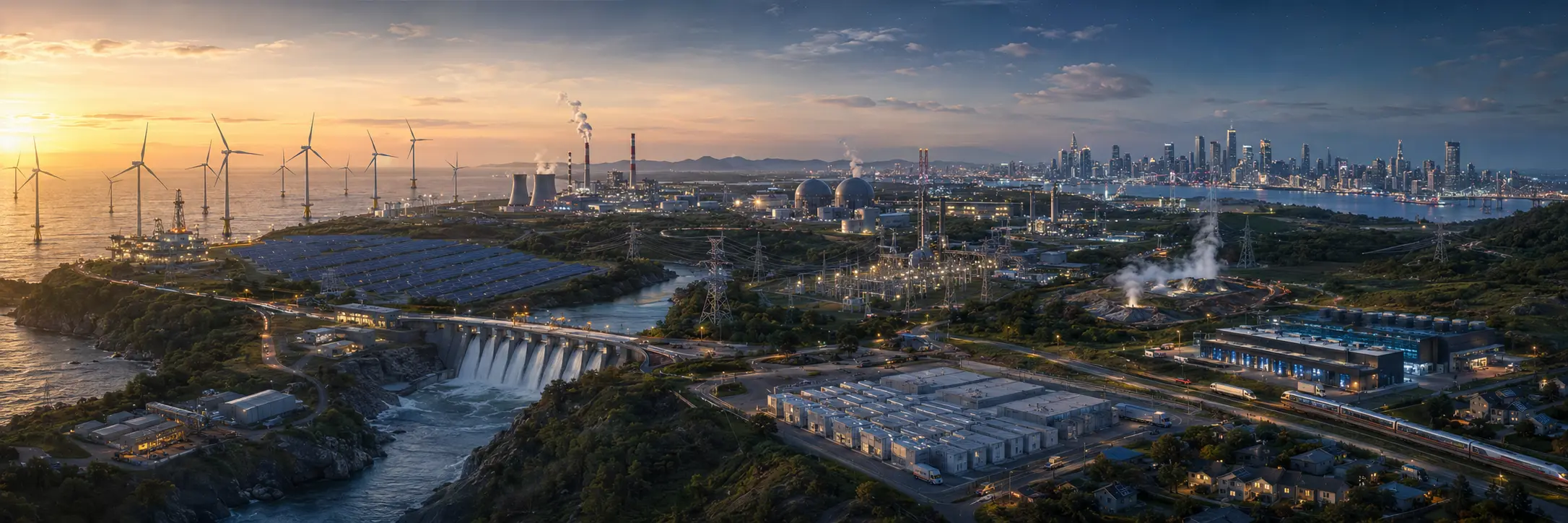
Structural properties of energy systems — how physical constraints, coordination structures, and feedback mechanisms shape which energy sources expand, which stall, and why the same system can appear efficient or wasteful depending on what is being measured.

How energy systems behave as physical coordination structures — governed by constraints that operate independently of how they are financed or evaluated.

What Energy System Articles Cover

Energy systems are physical systems. They extract, convert, store, and distribute energy through infrastructure that is geographically fixed, capital-intensive, and operates on timescales measured in decades. The structural properties of these systems — their constraints, dependencies, and feedback mechanisms — determine what is physically possible before any financial evaluation begins.

These articles describe structural patterns that appear across energy systems. Not how to invest in energy. Not which energy source is best. Not what will happen next. They describe how energy systems actually behave — physically, industrially, and within the coordination structures that determine how they are built and maintained.

An energy system operates simultaneously in two frames: the physical system that produces and delivers energy, and the coordination system that finances, builds, and maintains it. These frames do not optimize for the same outcomes. Understanding both — and where they diverge — is what makes structural observation useful.

Why This Category Exists Separately

Energy system properties are not investment concepts. Intermittency is a physical relationship between generation timing and demand timing. Capacity factor is a ratio determined by physics and operating characteristics. Energy density is a property of chemical bonds and electrochemical storage. These are structural realities that exist independently of how they are financed, regulated, or evaluated by markets.

Placing these articles in their own category preserves a distinction that matters: the difference between understanding a system and evaluating it through a financial lens. Financial evaluation is one frame among several. These articles describe the system itself — so that any frame applied afterward rests on structural understanding rather than assumption.

Investment concept articles describe patterns in how capital, returns, and risk behave. Energy system articles describe patterns in how physical infrastructure, material flows, and thermodynamic constraints behave. The first operates within financial logic. The second operates within physical reality. Both are needed. Neither replaces the other.

How to Use These Articles

Each article describes one structural property of energy systems in enough depth to understand its mechanics, where it appears, and what it cannot tell you. They connect to supply chain articles that describe specific energy systems — oil and gas, solar, wind, nuclear, geothermal — and to each other, since structural properties interact. Intermittency connects to grid balancing. Capacity factor connects to baseload. Energy density connects to storage. Following the connections builds a structural map of how energy systems actually work.

These articles describe structural properties of energy systems. They do not predict energy prices, recommend energy investments, evaluate policy choices, or argue for or against any energy technology. They make visible what exists — the physical constraints, coordination challenges, and systemic trade-offs that shape how energy is produced and delivered.

  • Lifecycle Cost in Energy Systems

    Energy systems carry costs that extend far beyond what financial models capture. Lifecycle cost accounts for everything from raw material extraction through decommissioning and waste management — costs that are physically real but often invisible in project economics. Different energy sources appear to have different costs depending on which accounting frame is applied, and the choice of frame determines which system looks cheapest.

  • Centralization and Decentralization in Energy Systems

    The centralized energy model — large power plants transmitting electricity over long distances — emerged from the economics of steam and nuclear power, not from any inherent superiority. Decentralized alternatives distribute generation closer to consumption, reducing transmission needs but requiring different coordination structures. Each configuration concentrates or distributes control differently, and the architecture of the grid itself determines which model is physically possible.

  • Modularity and Standards in Energy Systems

    Some energy technologies are built from standardized, interchangeable components that can be deployed incrementally. Others require custom engineering for each installation. Modularity enables scaling and competition but drives down margins. Proprietary fragmentation protects margins but increases coordination friction. The tension between standardization and differentiation is not a market failure — it is a structural feature of how financial incentives interact with system-level optimization.

  • Energy Density and the Physics That Determines What Fuels Can Do

    Diesel contains roughly one hundred times the energy per kilogram that a lithium-ion battery stores. This is not a technology gap waiting to be closed; it reflects the fundamental physics of chemical bonds versus electrochemical storage. Hydrocarbons achieve high energy density partly because they burn using atmospheric oxygen that is not carried onboard, while batteries must carry both reactants internally. These physical constraints determine which energy carriers can serve which applications: electric cars work because moderate range and weight tolerance align with current battery density, while electric transoceanic shipping and long-haul aviation face constraints that no foreseeable battery improvement resolves.

  • Stranded Infrastructure in Energy Systems

    When conditions change faster than infrastructure ages, the result is stranding: power plants, pipelines, refineries, and mines that are physically functional but financially obsolete. The same property that makes energy infrastructure durable — it is built to last decades — makes it vulnerable to regime changes. This irreversibility means that decisions about what to build today lock in consequences, dependencies, and vulnerabilities for decades into the future.

  • Why Intermittency Is a System Property, Not a Technology Defect

    A solar panel produces exactly when the sun shines. A wind turbine generates exactly when the wind blows. Neither is defective. Intermittency becomes a structural problem only when the system requires energy at times that do not align with generation. This reframing reveals that intermittency is not a property of individual sources but a system-level coordination challenge — one that depends on the portfolio of generation assets, the geographic distribution of those assets, the flexibility of demand, and the availability of storage and transmission infrastructure.

  • Capacity Factor and the Gap Between Installed Capacity and Delivered Energy

    A 1 GW solar farm and a 1 GW nuclear plant have identical nameplate capacity but produce radically different amounts of electricity per year. The solar farm, at a typical twenty percent capacity factor, delivers roughly 1,750 GWh annually. The nuclear plant, at ninety-two percent, delivers roughly 8,060 GWh. This gap is not inefficiency — it reflects the physical characteristics of each technology: one generates only when the sun shines, the other runs continuously by design. Capacity factor is the metric that makes this structural difference visible, and misunderstanding it leads to systematic confusion between installed capacity and actual energy delivery.

  • Drilling as Constraint

    Drilling is a universal constraint across multiple energy systems: oil and gas wells, geothermal wells, and subsurface mining operations all require boring into rock formations whose properties can be estimated but not known until penetrated. The structural property of drilling is asymmetric information — the operator commits capital before knowing what the subsurface contains. This asymmetry, combined with the non-linear cost structure of depth, determines which subsurface energy resources are developed and which are left in the ground.

  • Transmission Infrastructure as the Binding Constraint on Energy Transition

    Wind farms and solar parks can be built in one to three years. The transmission lines needed to connect them to demand centers take seven to twelve years to permit and construct. This asymmetry in development timelines has made transmission infrastructure — not generation technology — the binding constraint on renewable energy deployment in many markets. Interconnection queues are congested with projects waiting years for grid access, large power transformers face global manufacturing bottlenecks, and the traditional hub-and-spoke grid topology designed for centralized generation requires fundamental redesign to accommodate distributed and remote renewable sources.

  • Grid Balancing

    Electricity grids operate under a constraint that no other commodity system faces: production and consumption must match continuously, in real time, across the entire network. There is no warehouse, no buffer stock, no inventory. When generation exceeds demand, frequency rises. When demand exceeds generation, frequency drops. Deviations beyond narrow tolerances damage equipment and trigger cascading disconnections. This constraint determines which energy sources are dispatchable, which need backup, and why grid operation is fundamentally a balancing act measured in seconds.

  • Baseload Power and the Architecture of Continuous Demand

    Baseload is not simply always-on power. It is a structural concept describing the floor of electricity demand that persists around the clock — hospitals, refrigeration, industrial processes, data centers — and the generation technologies optimized to serve that floor at low marginal cost. The distinction between baseload, mid-merit, and peaking generation reflects different economic roles in the grid, not merely different technologies. As intermittent renewables grow, the concept of baseload is itself evolving, raising questions about whether the traditional generation hierarchy remains the most useful way to organize an electricity system.

Energy Systems Graph

CompanyGraph
  • Blog
  • Industries
  • Glossary
  • Stories
  • Coordinations
  • Constraint Archetypes
  • Legal

Contact

© 2026 CompanyGraph. All rights reserved.